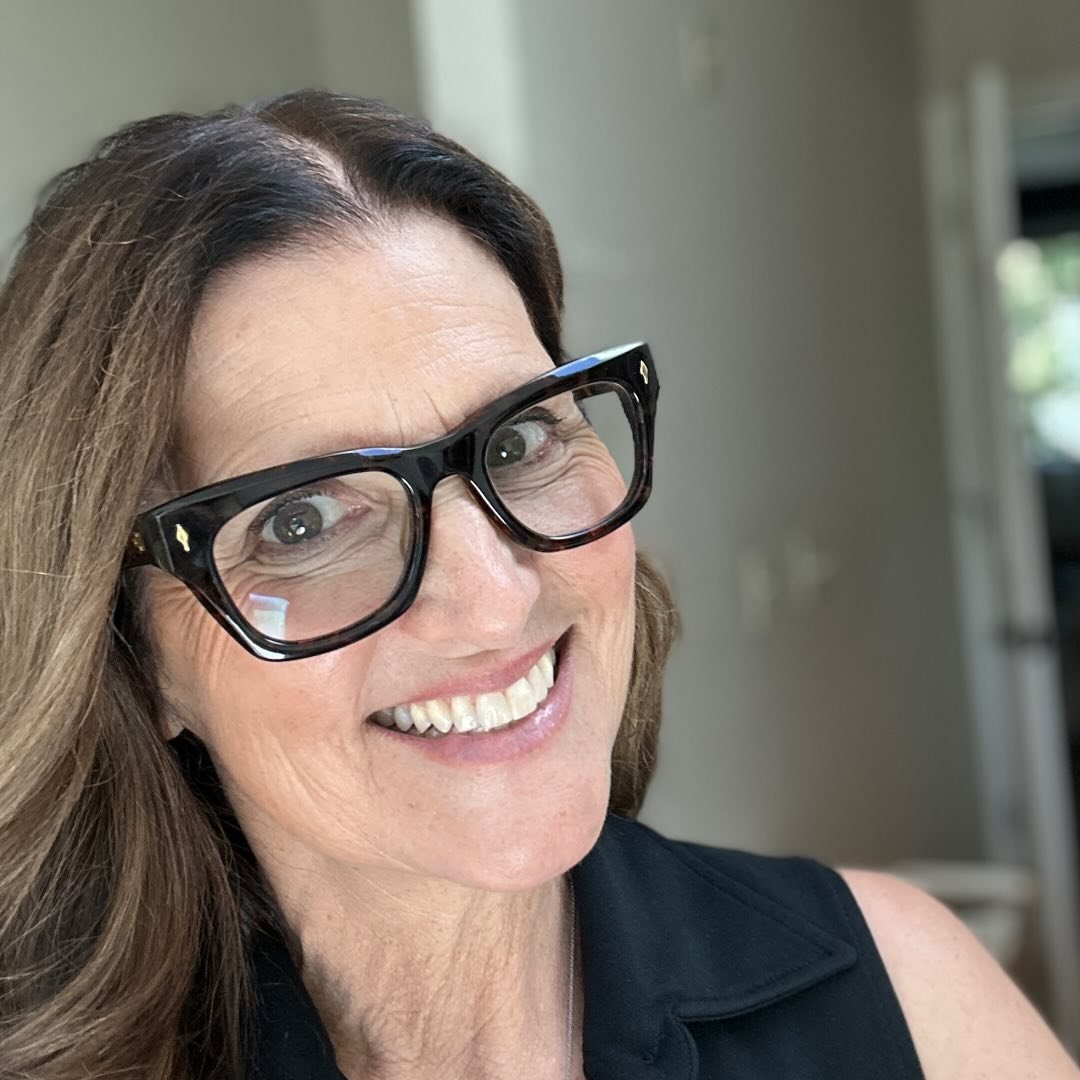
Bachelor's Degree in Architecture · Master's in Design · 10 years painting · 5 years teaching · Award-winning work in juried exhibitions
I came to oil painting after a decade in technology as a human-centered designer — making complex software understandable to real people, turning complicated tasks into steps anyone could follow. As I started painting, I went through the fits and starts so many painters do. Fear and frustration kept holding me back, and underneath sat a quiet worry that maybe I'd never get where I wanted to be.
At some point I realized I was relying on talent to get me to masterful paintings — but that was not the way. Skill and experience are, and I didn't have either yet. I was holding myself to a master's standard, demanding a perfection impossible to reach, but that I had no right to expect.
Mastery doesn't come from talent, it comes from grit. It comes from showing up again and again, even when the results disappoint or make you cringe. Showing up despite your inner voice telling you to quit. As one of my teachers once told me: "The first 500 paintings don't count, so you better get to work." — Laurel Daniel. And so I did, and you can too.
When I began teaching painting, I approached it the way a designer would. I created the lessons that became the curriculum I teach today — breaking the foundations down to be learnable, approachable, and bite-sized. I've spent years testing them out, getting feedback, and refining them with every student I work with. I'm still at it, always finding better ways to explain, new exercises to try, and new ways to break it all down. It's the approach to learning painting that I wish I could go back and give myself, but I can't, so instead — I'm passing it on to you.